Why Proper Tree Removal Reduces Long-Term Property Risk
Trees bring immense beauty, shade, and value to any residential or commercial landscape. They offer a connection to nature and can even improve the overall aesthetic appeal of the surrounding environment. However, when a tree becomes compromised due to disease, age, or severe weather conditions, it transforms from an asset into a significant liability. Leaving a dead or dying tree standing can lead to catastrophic damage that affects the safety and structural integrity of everything nearby. Ignoring these warning signs often results in expensive repairs and immense stress for property owners. Proactive property management involves recognizing when a tree can no longer be saved and taking the necessary steps to mitigate the danger. By relying on experienced tree contractors, property owners can ensure that hazardous trees are safely dismantled. Understanding the reasons behind necessary tree removal is the best way to safeguard the environment and reduce long-term property risk.
Protecting the Foundation of the Property
One of the most severe threats that an overgrown or improperly placed tree poses to a property lies hidden beneath the surface of the soil. As trees grow, their root systems expand outward in search of essential moisture and nutrients. When a tree is planted too close to a house, driveway, or retaining wall, these relentless roots can exert tremendous pressure on the concrete and structural foundations. Over time, this pressure causes cracks, shifting, and buckling that compromise the structural integrity of the entire building. The size of the tree often dictates the extent of the root system and the potential damage it can cause. According to Lawn Love, professionals typically consider a tree “small” when it stands under 30 feet tall and “tall” once it reaches 60 feet or more. Larger trees naturally have more expansive and aggressive root networks, meaning they pose a significantly higher risk to nearby foundations. If a property owner notices uneven floors, sudden cracks in the basement walls, or buckling pavement, intrusive tree roots are often the underlying culprit. Addressing this issue early is critical to preventing exorbitant foundation repair bills. Removing the offending tree halts the root expansion and stops the structural deterioration in its tracks. Consulting with knowledgeable tree contractors can help property owners determine if a tree is situated too close to a permanent structure and whether removal is the most effective strategy to preserve the foundation of the home.
Preventing the Spread of Pests and Diseases
The health of a landscape depends heavily on the condition of the individual plants and vegetation that inhabit it. When a tree falls victim to a severe fungal infection or a bacterial disease, it becomes a dangerous focal point for further contamination. Fungal spores and harmful pathogens can easily travel through the air, water, or soil, quickly infecting neighboring trees and shrubs. Leaving a diseased tree in the yard essentially creates a breeding ground that threatens the entire local ecosystem. Furthermore, decaying wood is highly attractive to a variety of destructive pests, including termites, carpenter ants, and wood-boring beetles. Once these insects establish a colony in a dying tree, it is only a matter of time before they migrate toward the primary residence or other wooden structures on the property. An infestation can compromise the framing of a house, leading to dangerous structural weaknesses. Identifying the early signs of decay, such as discolored leaves, brittle bark, or unusual fungal growth on the trunk, is essential for maintaining a healthy environment. By completely removing the infected or infested tree, property owners eliminate the source of the problem and protect the remaining vegetation. Hiring skilled tree contractors ensures that the diseased wood is disposed of properly, preventing any accidental spread of pathogens during the removal process. Prompt removal acts as a vital protective measure that secures the overall health and vitality of the surrounding landscape for years to come.
Avoiding the Danger of Falling Branches
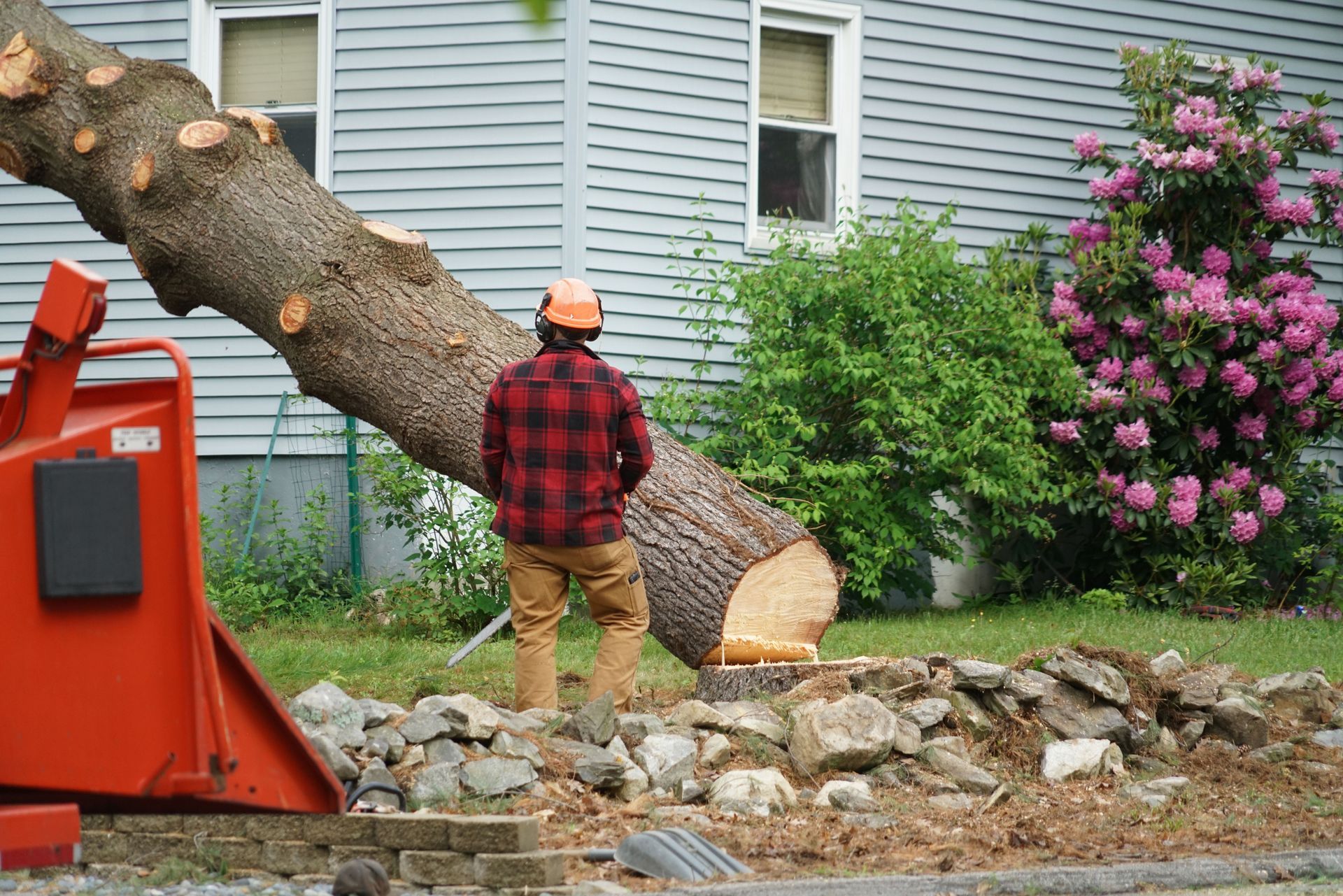
Unpredictable weather patterns and severe storms constantly test the resilience of the trees on any given property. High winds, heavy rain, and excessive ice accumulation can cause immense stress on the branches and trunk of a tree. If a tree is already weakened by age, poor structural development, or internal rot, it is highly susceptible to breaking apart during a severe weather event. Heavy branches that snap and fall can crash through roofs, shatter windows, crush parked vehicles, or severely damage utility lines. The financial fallout from this type of sudden destruction is often overwhelming. More importantly, falling debris poses a severe threat to the physical safety of anyone walking or relaxing in the yard. The liability associated with a fallen tree extends beyond the property line, as a collapsing branch can easily damage a neighbor's home or injure a passerby on the sidewalk. Routine inspections are necessary to identify deadwood, structural imbalances, or hanging branches that could easily detach. When a tree exhibits obvious signs of instability, complete removal is often the safest and most responsible course of action. Engaging professional tree contractors provides the expertise needed to safely dismantle the hazard piece by piece, ensuring that no sudden collapses occur during the process. Trusting reputable tree contractors to handle this precarious task guarantees that the surrounding property remains secure while completely eliminating the looming threat of sudden and destructive branch failures.
Preserving the Aesthetics of the Landscape
Beyond the immediate safety concerns and structural risks, managing the trees on a property also plays a significant role in preserving the overall aesthetic appeal of the landscape. A dead, barren, or awkwardly leaning tree serves as a prominent eyesore that drastically reduces the curb appeal and overall market value of a home. For individuals looking to maintain a pristine exterior or prepare their residential property for the competitive real estate market, visual presentation is incredibly important. Overgrown trees can also cast excessive shade over a yard, completely blocking out the necessary sunlight required for grass, flowers, and other desirable plants to thrive. Removing a poorly placed or unsightly tree opens up the landscape, allowing natural light to pour into the yard and the home. This newfound sunlight encourages the growth of a lush, vibrant lawn and creates a more welcoming outdoor environment. The process of carefully removing a problematic tree clears the way for new landscaping opportunities, such as installing a patio, planting a fresh garden, or establishing a safer play area. Relying on capable tree contractors ensures that the removal is executed cleanly and efficiently, leaving the yard in perfect condition to be revitalized and redesigned according to the owner's specific vision.
Managing the natural elements of a property requires careful observation and a willingness to take decisive action when hazards arise. Ignoring a compromised, diseased, or overgrown tree only invites future disasters that can compromise the foundation of a home, damage surrounding structures, and threaten personal safety. By actively addressing these risks through safe and efficient removal, property owners protect their investments and maintain a secure, visually appealing environment. The peace of mind that comes from eliminating a looming danger is invaluable, allowing families to enjoy their outdoor spaces without fear or hesitation. When faced with the complicated and dangerous task of dismantling a large or unstable tree, relying on experienced
tree contractors is the only way to ensure the job is completed correctly without risking additional property damage. Reach out to Ventura Tree Services LLC today to learn more about how proper property management and expert removal services can protect your home for the future.
Share On: