How Tree Trimming Improves Safety Around Homes and Power Lines
Trees add shade, beauty, and character to residential properties, but overgrown branches can create serious safety concerns when they extend toward homes, walkways, driveways, or overhead power lines. Regular maintenance helps manage these risks while supporting healthy growth and preserving the appearance of the landscape. Property owners who understand the importance of tree trimming can take proactive steps to reduce hazards before they develop into costly problems.
From preventing falling limbs to maintaining safe distances from electrical equipment, proper care plays an important role in protecting people and property. Recognizing potential warning signs and knowing when to seek professional assistance can help homeowners maintain a safer outdoor environment throughout the year.
Recognize Potential Hazards Before They Develop
Trees can develop structural weaknesses that are difficult to recognize without careful observation. Dead branches, visible cracks, hanging limbs, and sections of damaged bark may indicate that a tree needs attention. These problems can become particularly dangerous when branches extend over areas where family members, visitors, or vehicles regularly pass.
Routine inspections help homeowners identify concerns before weakened limbs fall unexpectedly. Wind, heavy rain, and other severe weather conditions can increase the likelihood of branch failure, especially when a tree already has structural damage.
Homeowners should also pay attention to branches growing unusually close to roofs, windows, fences, and outdoor structures. Limbs that rub against shingles or siding can gradually damage building materials. Removing problematic growth under appropriate conditions helps protect the property while allowing the remaining tree to develop a healthier structure.
Protect Roofs, Windows, and Outdoor Structures
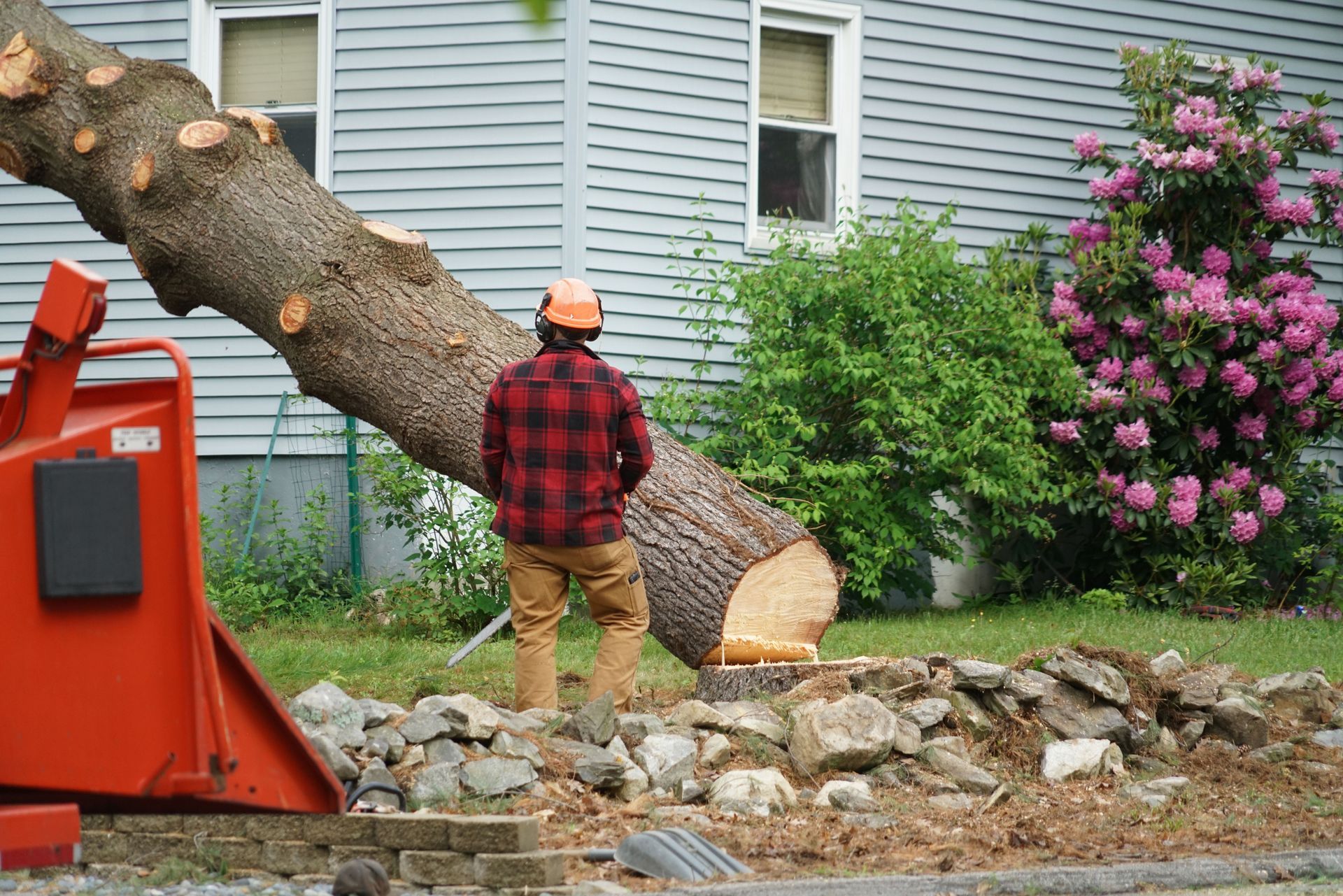
Overhanging branches can threaten several parts of a home, particularly when they become heavy, brittle, or unstable. A falling limb may break roof shingles, damage gutters, shatter windows, or strike a porch. Even smaller branches can cause problems when they repeatedly scrape against exterior surfaces during windy weather.
Strategic tree trimming helps reduce these risks by removing hazardous limbs and managing growth around vulnerable structures. Maintaining appropriate clearance also makes it easier to inspect roofs, clean gutters, and complete exterior maintenance without branches obstructing access. These improvements can help homeowners avoid preventable repairs and maintain their property's condition.
However, removing branches without considering the tree's overall structure can create additional problems. Excessive cutting may weaken a tree, expose sensitive areas, or encourage unhealthy growth patterns. A thoughtful approach focuses on removing specific hazards while preserving the tree's natural shape and structural stability.
Homeowners should consider the mature size of nearby trees when planning landscape improvements. A young tree planted too close to a house may eventually develop branches that interfere with the roof or surrounding structures. Selecting appropriate planting locations and maintaining existing trees can help prevent recurring clearance issues.
Maintain Safe Distances From Power Lines
Branches near overhead electrical lines present hazards that require special attention. Contact between vegetation and energized equipment can contribute to electrical fires, service interruptions, and dangerous situations for people nearby. During storms, falling limbs can also pull down wires or damage utility infrastructure, potentially affecting multiple properties.
Homeowners should never assume that a power line is harmless because it appears insulated or inactive. Electricity can cause severe injuries or fatalities, and branches touching electrical equipment should not be handled as ordinary yard debris. Maintaining a safe distance is essential whenever vegetation grows near utility lines.
Professional tree trimming can help manage vegetation around residential areas, but electrical hazards require the appropriate expertise. Property owners should contact their utility provider when branches approach or interfere with power lines. Utility companies can determine the proper response and arrange qualified personnel when specialized clearance work is necessary.
Keeping trees away from electrical infrastructure also supports neighborhood safety. Uncontrolled growth near power lines may contribute to outages that affect homes, businesses, and essential services. Promptly reporting concerning branches helps ensure that potential hazards receive attention before they cause more significant disruptions.
Reduce Risks During Severe Weather
Strong winds, heavy rainfall, and thunderstorms can place substantial stress on trees. Branches that appear stable during calm conditions may become dangerous when saturated soil loosens roots or powerful gusts expose existing structural weaknesses. Trees with deadwood, uneven growth, or damaged limbs may be especially vulnerable to storm-related failures.
Preventive maintenance can reduce some of these risks by removing compromised branches and addressing structural concerns before severe weather arrives. According to Lawn Love, many trees benefit from pruning at intervals of roughly three to five years, although appropriate timing varies by species, condition, and growing environment. Regular assessment helps homeowners determine when maintenance is necessary instead of relying on a rigid schedule.
Preparation should also include checking trees near garages, sheds, fences, play areas, and frequently used outdoor spaces. Identifying vulnerable branches before storm season can help property owners prioritize maintenance and reduce exposure to falling debris.
Nevertheless, pruning cannot eliminate every weather-related hazard. Severe storms can damage even healthy trees, particularly when conditions exceed what their structures can withstand. After significant weather events, homeowners should look for broken limbs, leaning trunks, exposed roots, and hanging branches without approaching unstable trees or downed electrical wires.
Support Healthy Growth and Structural Strength
Safety and tree health are closely connected. Removing dead, diseased, or damaged branches can improve a tree's condition and reduce the likelihood that compromised limbs will break. Selective pruning may also improve airflow through the canopy and help sunlight reach interior branches, depending on the tree's species and growth pattern.
Proper tree trimming requires an understanding of branch attachment, growth habits, and appropriate cutting locations. Poorly placed cuts can damage living tissue, create openings for decay, or interfere with a tree's natural development. Cutting away too much foliage at once can also place unnecessary stress on the tree.
Professional assessment is particularly useful when a tree has multiple trunks, large crossing branches, visible decay, or an uneven canopy. An experienced tree care professional can evaluate the structure and recommend an approach that addresses safety concerns without removing more growth than necessary.
Homeowners should avoid topping trees by indiscriminately cutting back large branches or the upper canopy. This practice can encourage weakly attached shoots and leave the tree more vulnerable to future damage.
Choose Professional Care for Difficult Jobs
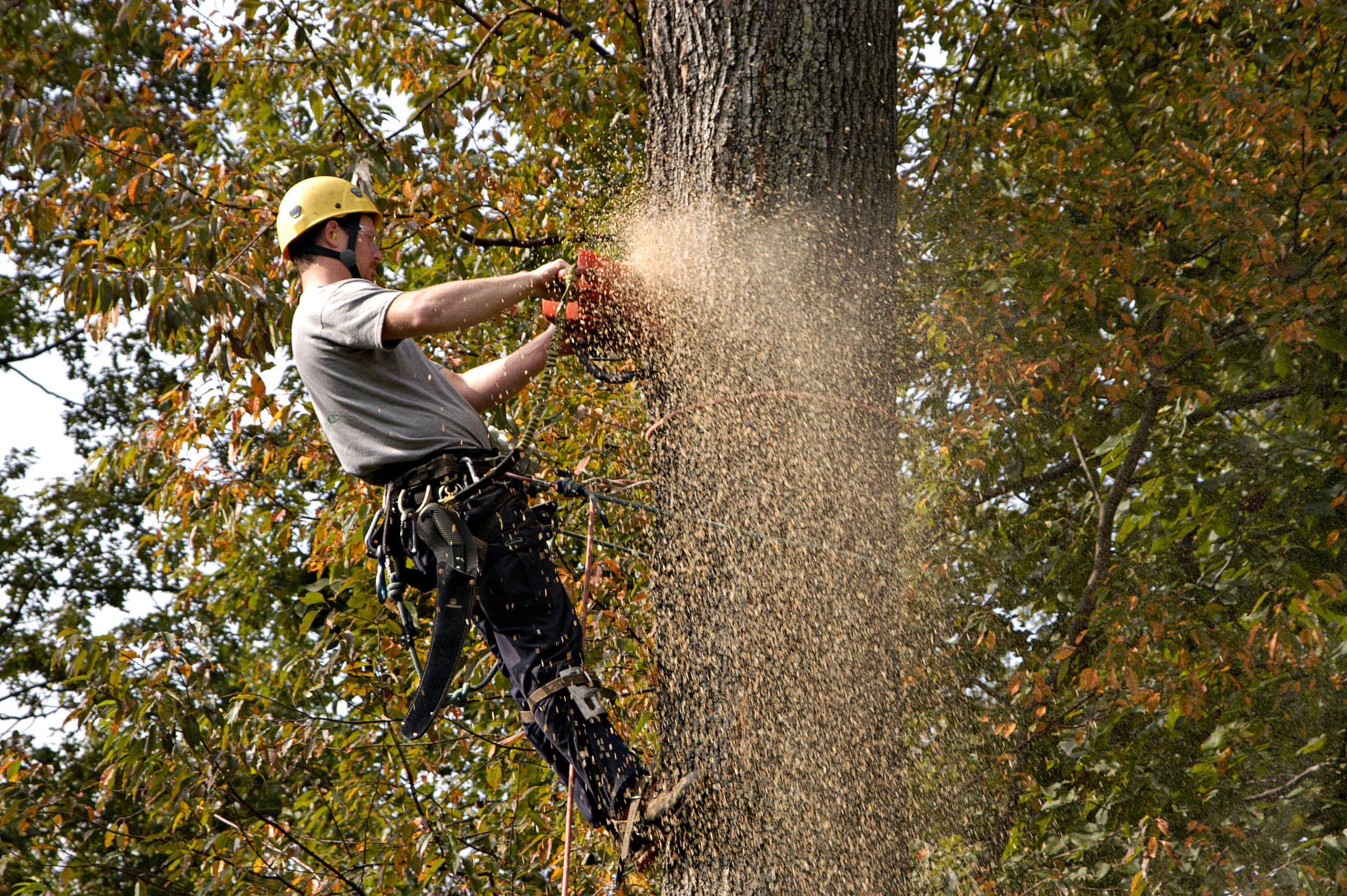
Some maintenance tasks can be handled safely from the ground, such as observing a tree's condition or collecting small fallen twigs. However, cutting large limbs, climbing trees, operating chainsaws at height, or working near electrical equipment introduces substantial risks. Attempting these tasks without appropriate training and equipment can result in serious injuries or damage to nearby property.
A professional tree service can assess hazardous branches, determine which limbs require removal, and develop a plan suited to the tree and surrounding landscape. Qualified crews use appropriate equipment and safety procedures to manage challenging work while considering nearby structures, pedestrian areas, and other potential hazards.
Before scheduling service, homeowners should describe any visible concerns, including branches over the roof, storm damage, or growth near utility lines. Sharing these details helps establish priorities and determine whether specialized assistance is necessary.
Consistent maintenance offers benefits beyond immediate hazard reduction. By addressing developing problems before they worsen, homeowners can better protect their homes, preserve valuable trees, and maintain outdoor spaces that are safer for everyday use.
Protecting a home begins with recognizing the risks surrounding it. Schedule a professional assessment with Ventura Tree Services LLC to identify hazardous branches, improve clearance around your property, and plan the maintenance your trees need.
Share On: