What Sets Expert Tree Removal Apart From Basic Cutting
Tree management is a critical component of maintaining both residential landscapes and public spaces. The differentiator between expert tree removal services and basic tree cutting lies in understanding the intricacies of arboriculture. While some might perceive tree removal as a straightforward job, it involves more than the visible cutting of branches and trunks, encompassing elements of biology, safety, and environmental stewardship. The distinction is crucial, as improper handling can lead to property damage, safety hazards, and even long-term ecological issues. Engaging professionals ensures that the beauty and health of the environment are sustained, and this article explores why expertise matters critically in this field.
Understanding Tree Biology and Health
Significance of Arborist Knowledge
A professional tree service provider relies heavily on the deep knowledge of certified arborists who understand tree biology intricately. Arborists' expertise is crucial in ensuring that not only are trees removed efficiently but that existing trees remain healthy and robust. They recognize signs of tree distress, diseases, and pest infestations, allowing them to execute informed decisions on whether to remove a tree or take measures for its preservation. This level of expertise is essential as it mitigates risks of inadvertently harming other nearby vegetation or disrupting local ecosystems. In contrast, basic tree cutting may ignore these elements, focusing solely on number reduction, potentially causing more harm to a green space than conservation.
Tree Species Identification
Every tree species has unique characteristics that affect how they should be maintained and removed. An expert can identify various tree species and understand their specific needs and vulnerabilities, which is vital for effective tree management. Different species react differently to environmental changes and have varying rates of growth and resilience to diseases. Failure to correctly identify tree species can result in using inappropriate removal techniques that might harm the surrounding plant life. Therefore, professional services stand out because they tailor their activities based on precise species identification and particularized care.
Assessing Tree Health and Risks
Arborists use their trained eye to assess the health and potential risks posed by a tree, which includes understanding structural integrity, pest problems, and disease presence. This comprehensive assessment is vital for making informed decisions regarding the necessity of tree removal or whether remediation is possible. Identification of structurally unsound trees helps prevent accidents or property damage. According to Fixr, many local governments require permits for tree removal when certain size thresholds are exceeded, emphasizing that professional assessments are often necessary to comply with regulatory standards. By evaluating potential risks, arborists ensure that only those trees posing real threats are removed, ensuring safety without needless ecological disruption.
Preservation Techniques for Healthy Trees
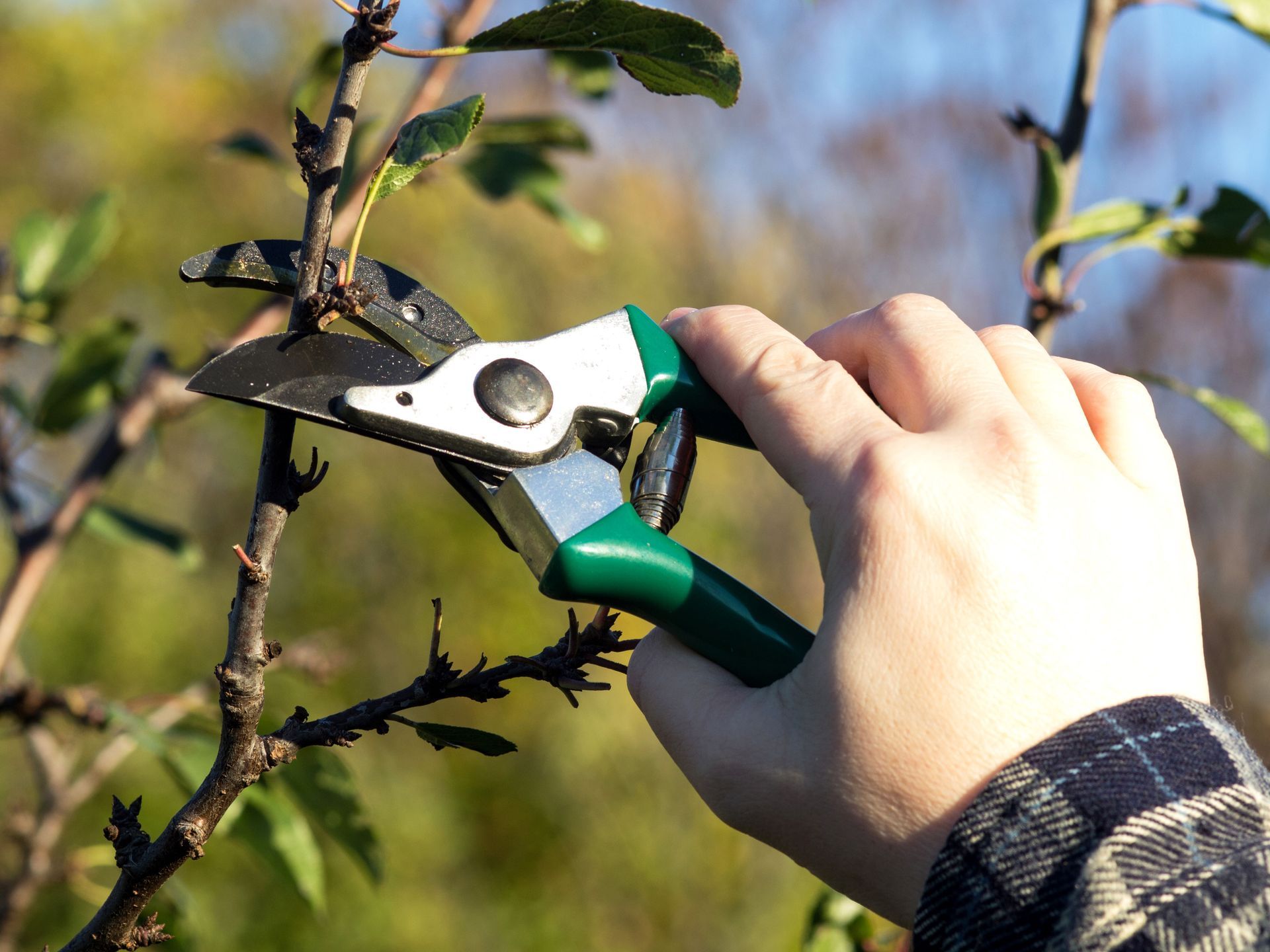
Not all trees that pose initial concerns need to be removed, and one advantage of expertise is knowing how to apply preservation techniques to save trees. Techniques such as pruning, cabling, bracing, and soil fertilization can rehabilitate many trees that might initially seem destined for felling. These approaches foster tree health and prevent long-term issues, thereby contributing to sustained biodiversity and property aesthetics. Arborists also undertake preventive measures to fortify trees against future challenges, thereby enhancing environmental resilience. This contrasts with basic cutting practices, which might lack the knowledge and skill to apply such sophisticated preservation methods.
Long-term Impact on Ecosystems
Professional tree removal goes beyond immediate aesthetics and safety; it considers long-term ecological impacts. Every removal is executed with the future health of the ecosystem in mind, ensuring non-disruptive processes that preserve the integrity of local flora. These experts understand the role every tree plays in the ecosystem, from contributing to biodiversity to providing habitats. Through expert tree management, ecosystems continue to thrive even when individual trees are removed. Such strategic decisions reinforce the health of broader ecosystems far better than rudimentary cutting, which might neglect these broader concerns.
Advanced Tools and Equipment
Comparison of Basic vs. Professional Tools
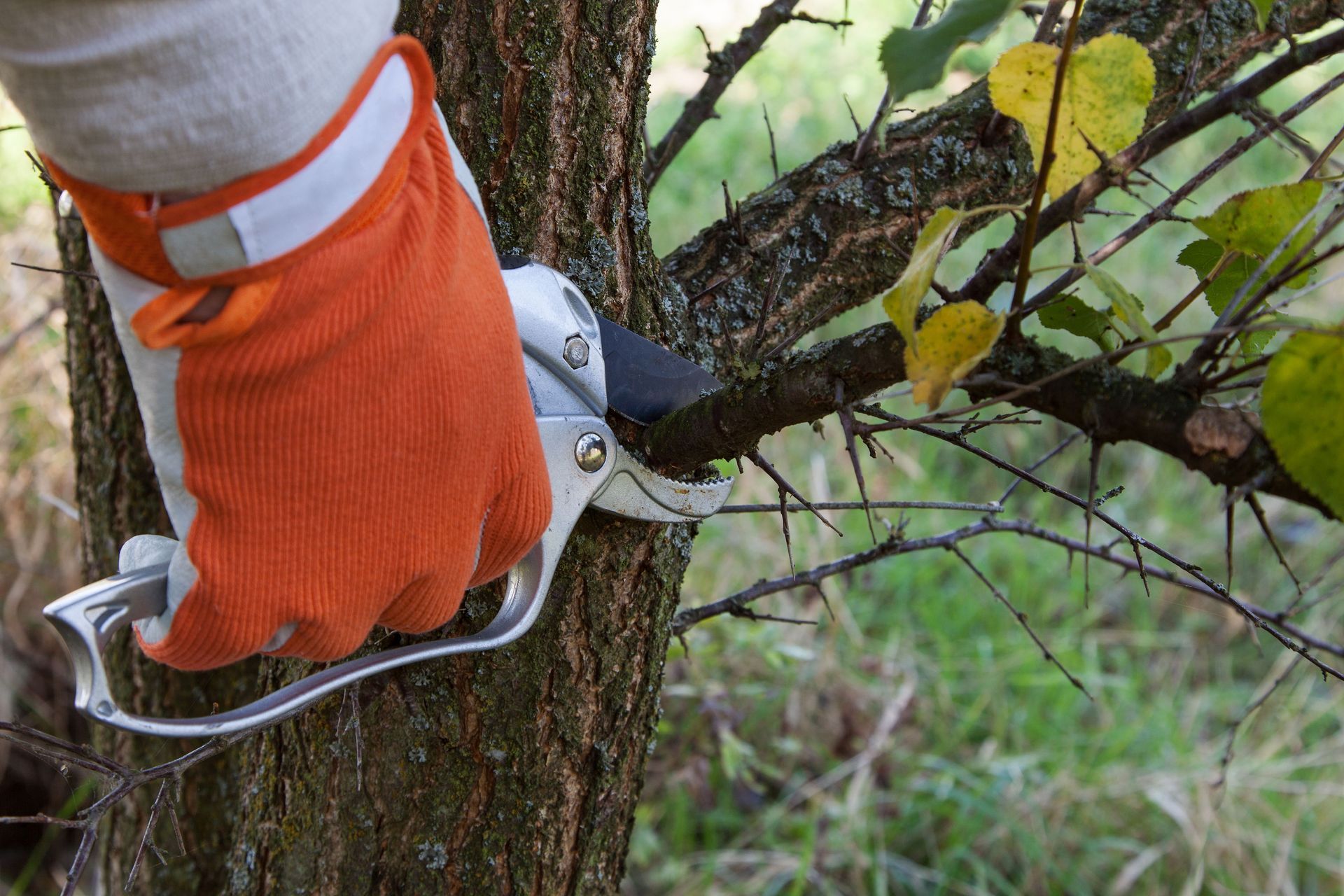
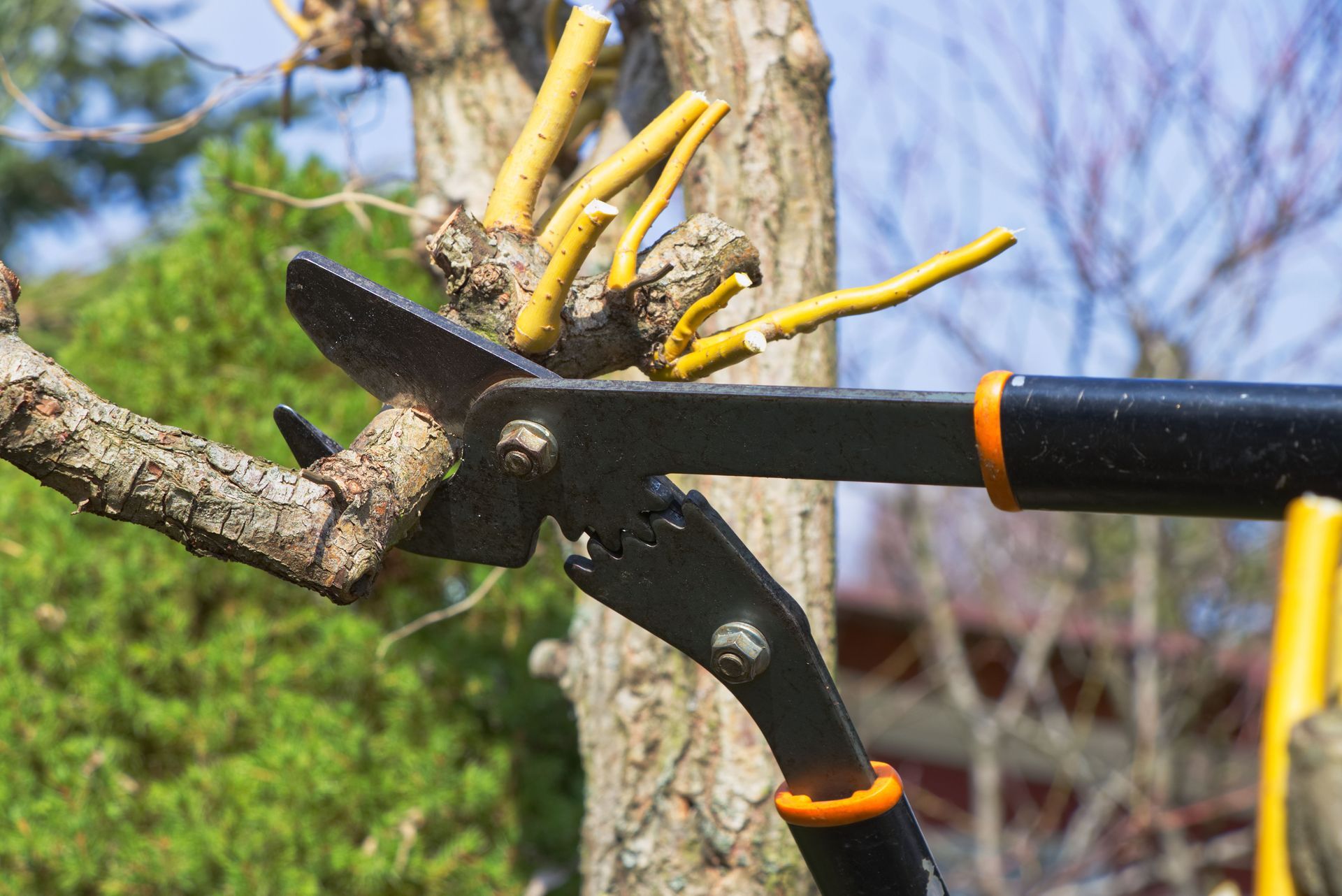
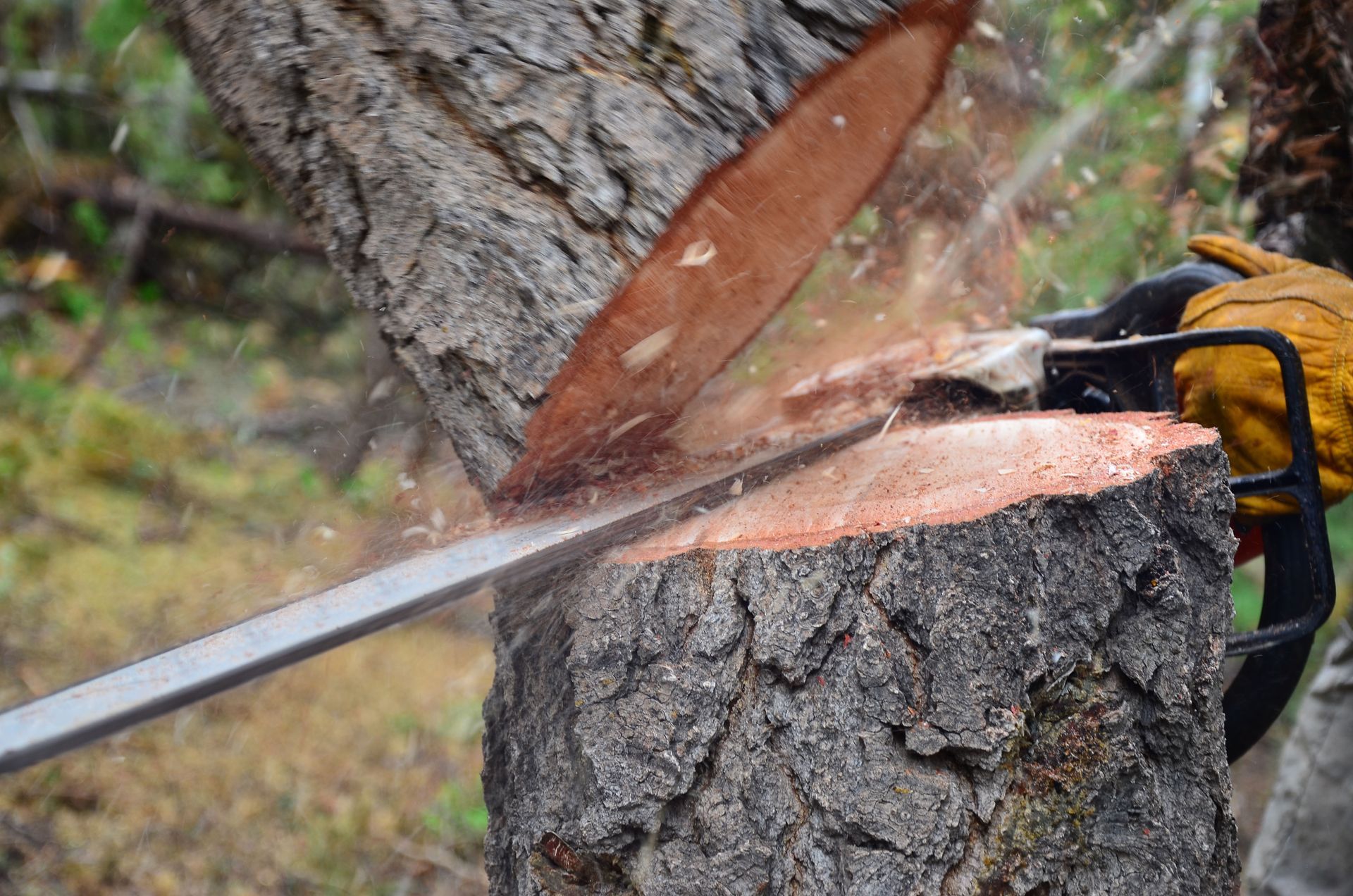
The tools used in tree cutting can make a significant difference in the quality and safety of the job. Basic tree cutting often relies on rudimentary tools which may be ill-suited for complex removal tasks, potentially causing damage both to property and to those undertaking the task. In contrast, expert services employ advanced tools that are specifically designed for efficient and safe tree removal. These can include high-powered chainsaws, arrow saws, and stump grinders that ensure not only quick but also clean cuts. Investing in professional equipment translates into better outcomes, mitigating risks associated with imperfect tools.
Safety Gear and Protocols
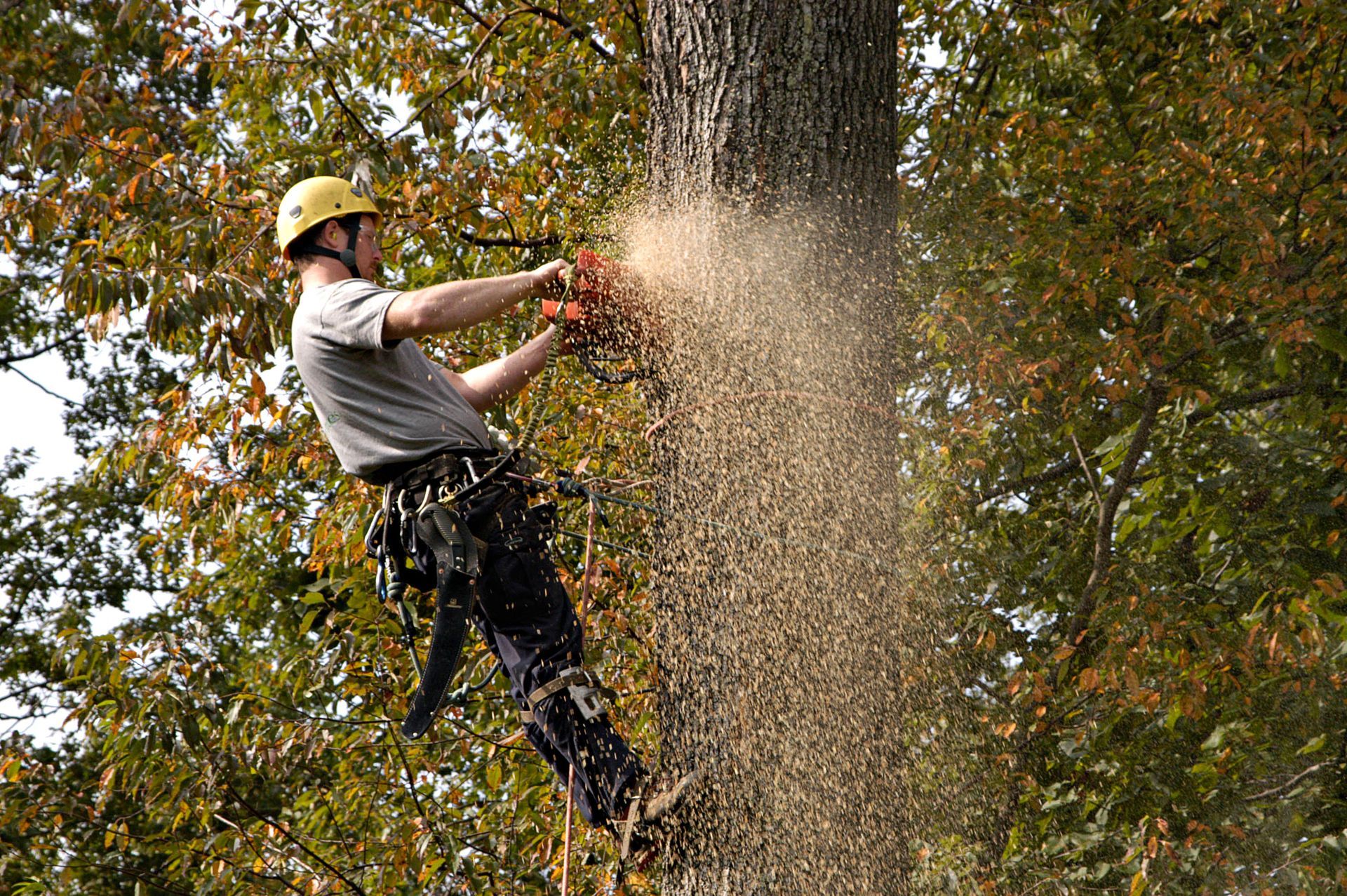
Professional tree removal services prioritize safety through well-implemented safety gear and protocols. Professionals use harnesses, helmets, gloves, and eye protection gear that ensure maximum safety during complex tree removals, even in challenging weather conditions. In addition to personal protective equipment, strict procedural protocols ensure that no aspect of safety is overlooked during the removal process. The adherence to these safety measures greatly reduces the risks of accidents and injuries. This level of preparedness and prioritization of safety is typically absent in amateur cutting endeavors where the primary focus might be the act of cutting itself.
High-precision Cutting Machinery
Access to high-precision cutting machinery enables professional services to execute tree removal with minimal collateral impact. Machinery such as directional felling wedges, cranes for limb navigation, and high-torque stump grinders allow professionals to remove trees or their components without jeopardizing nearby structures or vegetation. High-precision tools make it feasible to perform sophisticated cuts that cater to specific remediation needs, while minimizing damage to surrounding landscapes. The availability and knowledge of using such machinery elevate professional services above basic cutting, which might rely on less precise, more invasive means.
Specialized Climbing and Rigging Equipment
Tree removal often requires reaching great heights and traversing hazardous angles, necessitating specialized climbing and rigging equipment. Professional teams are equipped with state-of-the-art rigging systems and climbing gear that facilitate safe ascent and descent, allowing them to navigate complex canopies efficiently. These tools increase not only safety but also the precision of the work conducted at height. In addition to safety advances, specialized gear ensures the job is done efficiently and effectively, maintaining control over each removal phase. These capabilities far exceed the capacity of basic services, which may rely solely on ladders and handheld tools, limiting reach and safety.
Cranes and Advanced Machinery for Large Trees
Large trees present additional complexities in removal that basic equipment simply cannot address. Professional tree services incorporate the use of cranes and other advanced machinery that can manage large-scale removals safely and efficiently. These tools enable teams to remove heavy limbs carefully or transport massive tree segments without causing collateral damage. Sophisticated machinery assures that even the most challenging tree removals are executed with precision and minimal mess. These advanced capabilities ensure customer satisfaction and maintain landscape integrity, factors seldom achieved through basic cutting methods alone.
The Occupational Safety and Health Administration (OSHA) provides comprehensive guidelines for safe practices within the tree removal industry. Professional services are required to adhere to these regulations, which cover everything from personal protective equipment to emergency procedures. These standards ensure a high level of safety for both workers and surrounding residents during the tree removal process. Compliance with such guidelines not only protects workers but also reduces liability for homeowners and property managers. Basic practices, not subject to oversight or regulation, may inadvertently create dangerous conditions by ignoring these safety directives. Be sure to reach out to Ventura Tree Services LLC today to learn more about our professional tree service!
Share On: